Ready-mixed filler school Topic Applying filler to different substratesApplication methodsSucceeding with filling workSubsequent workFacts about fillerCorner beadsPreparatory work Filter your result Reset Apply filters Filter 15 results Applying filler to different substrates Applying filler to a plaster wall How to applying filler to a plasterboard or celing step by step. Application methods Spray filling Spray filling is a fast, ergonomic and economical work method for bigger surfaces. Application methods Roller filling Roller filler is a filler that can be easily rolled onto plaster or concrete walls. Application methods Hand filling Hand filling is a traditional filling method, effective when you have to smooth the filler on small areas. Applying filler to different substrates Applying filler to different substrates Different substrates require different preparations and application methods. Here are some tips that are important to keep in mind. Preparatory work Preparation Take care with preparation. A poorly prepared job always catches up with you, learn more here. Pagination First page Previous page Page 1 Page 2 of 2 Current page 2 Next page Last page
Applying filler to different substrates Applying filler to a plaster wall How to applying filler to a plasterboard or celing step by step.
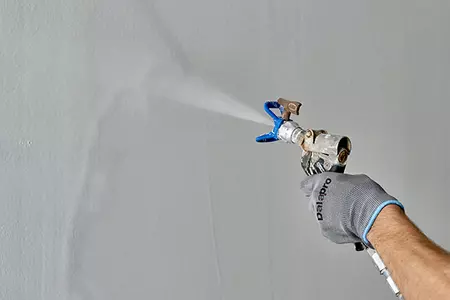
Application methods Spray filling Spray filling is a fast, ergonomic and economical work method for bigger surfaces.
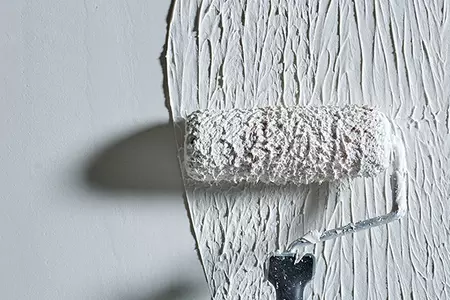
Application methods Roller filling Roller filler is a filler that can be easily rolled onto plaster or concrete walls.
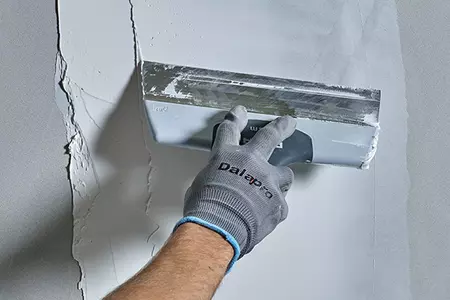
Application methods Hand filling Hand filling is a traditional filling method, effective when you have to smooth the filler on small areas.
Applying filler to different substrates Applying filler to different substrates Different substrates require different preparations and application methods. Here are some tips that are important to keep in mind.
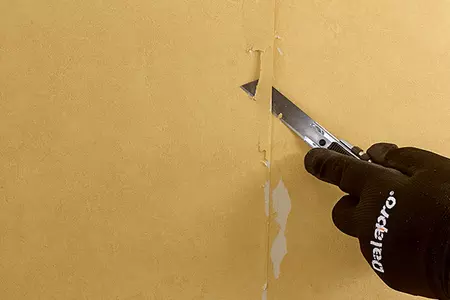
Preparatory work Preparation Take care with preparation. A poorly prepared job always catches up with you, learn more here.